
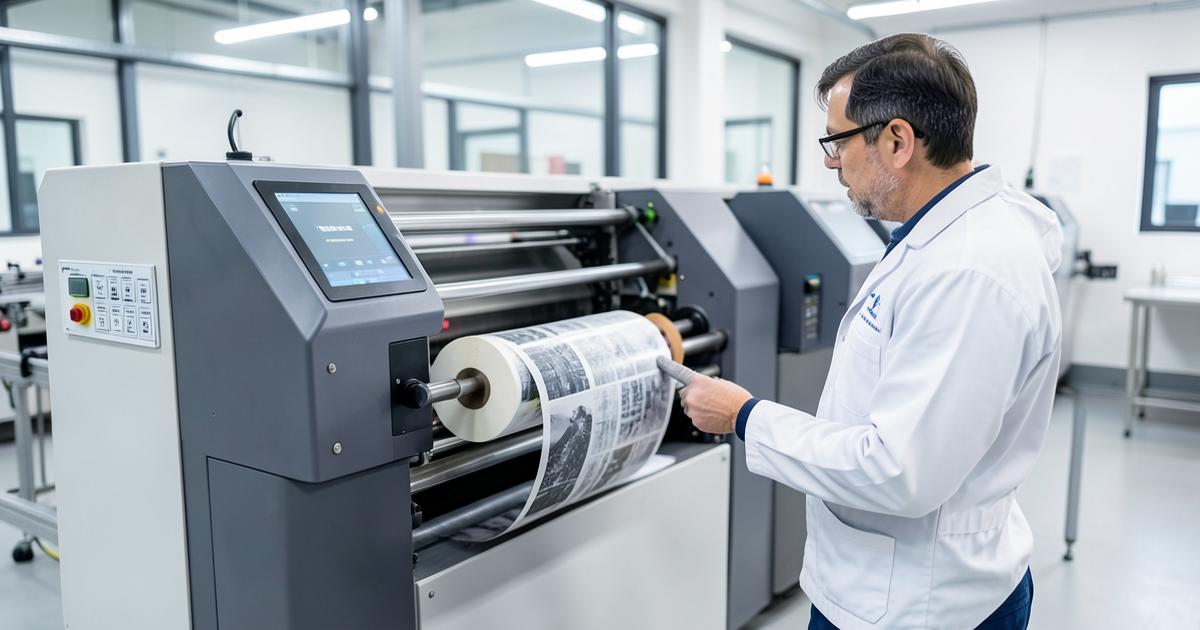
The landscape of product manufacturing is shifting toward customization and rapid iteration. Digital flexible packaging printing has emerged as the most efficient way for brands to bridge the gap between concept and shelf without the burden of massive inventory or expensive plate costs.
The landscape of product manufacturing is shifting toward customization and rapid iteration. Digital flexible packaging printing has emerged as the most efficient way for brands to bridge the gap between concept and shelf without the burden of massive inventory or expensive plate costs.
The Evolution of Digital Flexible Packaging Printing
For decades, flexible packaging was dominated by rotogravure and flexographic printing. While these methods offer exceptional quality at massive scales, they require heavy upfront investments in metal cylinders or polymer plates. This created a barrier for small businesses and mid-sized brands testing new flavors or seasonal variations.
Digital flexible packaging printing changed the equation by utilizing inkjet or electrophotographic technologies that transfer ink directly from a digital file to the substrate. This lack of physical plates means that a package design can be updated as easily as a PDF on a desktop computer. For a brand owner, this translates to agility—the ability to pivot based on market feedback or regulatory changes without writing off thousands of dollars in obsolete packaging.
Why Short-Run Packaging Printing is the New Standard
Consumer behavior has become increasingly fragmented. Instead of one flagship product, brands now offer diverse lines catering to specific niches—Keto-friendly, organic, gluten-free, or limited-time seasonal collaborations. Short-run packaging printing is the engine behind this strategy.
With digital packaging printing, companies can order 1,000 or 5,000 pouches rather than the traditional 50,000-unit minimums. This reduces the risk of 'dead stock'—inventory that sits in a warehouse, tying up capital and eventually heading to a landfill because the artwork or ingredients changed. In the United States, where market trends shift quarterly, having a lean inventory strategy is a competitive advantage.
Technical Advantages of Digital Pouch Printing
When we look at digital pouch printing, the technical precision is often indistinguishable from traditional methods. Modern digital presses can achieve over 95% of the Pantone color gamut, ensuring that a brand's signature blue or red remains consistent across different batches.
Material Compatibility
Digital presses are highly versatile and work with various substrates, including:
- BOPP and PET: High-clarity plastics for snacks and dry goods.
- Metalized Films: Providing the barrier properties needed for coffee or supplements.
- Recyclable/Compostable Films: Growing in demand as brands aim for sustainability goals.
Variable Data Printing (VDP)
One of the unique capabilities of digital printing is variable data. Since there are no plates, every single pouch in a production run can have a unique QR code, serial number, or even custom artwork. This allows for hyper-localized marketing or sophisticated anti-counterfeiting measures that are physically impossible with rotogravure.
Digital vs. Rotogravure: Choosing the Right Method
Deciding between digital flexible packaging printing and rotogravure comes down to volume, complexity, and timeline.
- Plate Costs: Rotogravure requires a cylinder for every color (CMYK + spot colors). If you have 8 colors, you might pay $3,000 to $5,000 in plate fees alone before a single bag is printed. Digital has zero plate costs.
- Lead Times: A typical rotogravure job might take 6 to 10 weeks to account for cylinder engraving and complex setup. Digital jobs can often be turned around in 5 to 15 business days.
- Unit Cost: At high volumes (e.g., 100,000+ units), rotogravure usually offers a lower per-bag price because the high speed of the press offsets the plate investment. However, for small batch printing, digital is almost always more cost-effective when you factor in the total cost of ownership.
Economic Benefits of Low MOQs and Small Batch Printing
Low Minimum Order Quantities (MOQs) are the most significant benefit for startups and specialty food producers. A lower MOQ means a lower barrier to entry. If a company can launch five different product SKUs with 2,000 pouches each, they have a better chance of discovering what resonates with their customers than if they spent their entire budget on 10,000 pouches of a single flavor.
Furthermore, fast turnaround times allow for 'Just-In-Time' (JIT) manufacturing. Instead of ordering a six-month supply of roll stock, a manufacturer can order a one-month supply, keeping their cash flow liquid and their warehouse space optimized. This responsiveness is vital in an era where supply chain disruptions can happen without warning.
Conclusion
Digital flexible packaging printing is no longer a niche solution for prototypes; it is a robust, high-quality production method that empowers brands to be more responsive, sustainable, and creative. By choosing short-run production, businesses can eliminate plate costs, minimize waste, and bring products to market at a fraction of the traditional lead time. Whether you are scaling a new brand or managing a complex portfolio of SKUs, digital printing provides the flexibility required to thrive in a modern retail environment.
Conclusion
Digital flexible packaging printing is no longer a niche solution for prototypes; it is a robust, high-quality production method that empowers brands to be more responsive, sustainable, and creative. By choosing short-run production, businesses can eliminate plate costs, minimize waste, and bring products to market at a fraction of the traditional lead time. Whether you are scaling a new brand or managing a complex portfolio of SKUs, digital printing provides the flexibility required to thrive in a modern retail environment.
Keep reading: see how short runs de-risk launches, review MOQ considerations for smaller brands, or explore buy-to-demand production.