
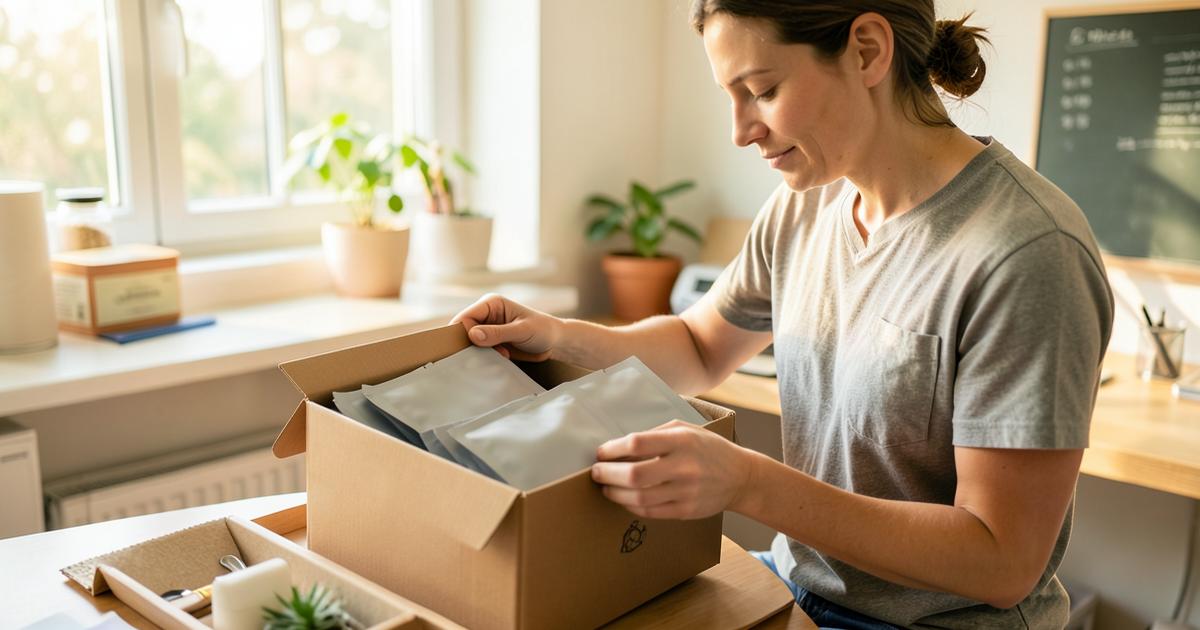
For years, the leap from home-based production to professional retail shelves was blocked by massive order minimums. Low MOQ custom packaging has bridged this gap, allowing startups to access high-quality flexible materials without drowning in excess inventory. This guide explores how small batch strategies can accelerate your brand growth while protecting your bottom line.
For years, the leap from home-based production to professional retail shelves was blocked by massive order minimums. Low MOQ custom packaging has bridged this gap, allowing startups to access high-quality flexible materials without drowning in excess inventory. This guide explores how small batch strategies can accelerate your brand growth while protecting your bottom line.
The Barrier to Entry in Traditional Packaging
Historically, the flexible packaging industry was built for the giants. Rotogravure printing, while efficient at massive scales, requires the creation of heavy copper cylinders for every color in your design. If you have five colors, you pay for five cylinders. This setup cost often reaches thousands of dollars before a single bag is even printed.
Because of these astronomical setup costs, manufacturers required minimum orders of 50,000 or 100,000 units. For a startup testing a new protein powder or organic snack, committing to 100,000 bags is a massive financial risk. It ties up capital that should be spent on product development or marketing, and it leaves you with a warehouse full of potentially obsolete packaging if you decide to change your ingredients or branding.
How Low MOQ Custom Packaging Changes the Game
The shift toward low MOQ custom packaging has democratized the retail shelf. Instead of needing $10,000 to get started, brands can now launch with professional-grade stand-up pouches for a fraction of that cost. This shift is driven by a move away from mechanical plates toward digital technology.
When we talk about "Low MOQ," we are typically referring to orders ranging from 500 to 5,000 units. This volume is the "sweet spot" for startups. It provides enough inventory to fulfill wholesale orders and online sales without the burden of long-term storage or high upfront investment.
Digital Printing: The Engine Behind Small Batch Packaging
Digital printing is the primary reason short-run packaging is even possible. Unlike rotogravure, digital presses do not require plates. The design is sent directly from a computer to the press, much like an office printer but on an industrial scale.
No Plate Costs
By eliminating cylinders, startups save thousands in upfront costs. This makes it feasible to print multiple SKUs (Stock Keeping Units) simultaneously. If you have three flavors of granola, you can split your total order across those three designs without paying multiple setup fees.
Faster Turnaround Times
Traditional printing can take 8 to 12 weeks. With digital low volume packaging, the timeline is often compressed to 15 business days or less. This speed allows brands to respond to market trends, restock quickly, and avoid the dreaded "out of stock" label on their website.
Variable Data and Customization
Digital technology allows for "variable data printing." This means every single pouch in a run could technically be different. While most brands don't need that level of variation, it opens doors for limited edition seasonal packaging or unique QR codes for traceability and customer engagement.
Strategic Advantages of Low Volume Packaging
Adopting a custom packaging for startups strategy isn't just about saving money; it’s about agility.
- Market Testing: You can launch a "Beta" version of your product with professional packaging. If customers give feedback on the flavor or the instructions on the back of the bag, you can change the design for your next 500-unit run.
- Preserving Cash Flow: Cash is oxygen for a small business. By ordering 1,000 bags instead of 50,000, you keep your capital liquid.
- Reduced Waste: The food industry is notorious for packaging waste due to design changes or regulatory updates (like new FDA nutrition label requirements). Low MOQs ensure you aren't throwing away thousands of obsolete bags.
- Professionalism: Hand-labeling stock bags is fine for a farmers market, but a fully printed stand-up pouch with a matte or gloss finish communicates that your brand belongs in a high-end grocer like Whole Foods or Sprouts.
Choosing Between Pouches and Roll Stock for Small Batches
When looking for low minimum order packaging, you must decide between finished pouches and roll stock.
Stand-Up Pouches
These are the most common choice for startups. They are pre-converted bags with zippers, tear notches, and bottom gussets. They are ready to be filled manually or by a simple semi-automatic filler.
- Pros: Easy to handle, no expensive filling equipment required, high shelf presence.
- MOQ: Often as low as 500 pieces.
Roll Stock
Roll stock is unformed film printed on a roll. It is designed for brands using automated Form-Fill-Seal (VFFS or HFFS) machinery.
- Pros: Lower cost per unit than pouches, faster filling speeds.
- Cons: Requires significant investment in machinery.
- MOQ: Usually measured in linear feet or pounds, often starting around 100-200 lbs for digital runs.
Maximizing Your Investment in Low MOQ Custom Packaging
To get the most out of your small-batch orders, focus on material selection. Startups should look for high-barrier laminates to ensure product freshness. Common structures include:
- PET/PE: High clarity and good moisture barriers.
- MOPP/VMPET/PE: Excellent oxygen and light barriers for coffee or oily snacks.
- Recyclable PE/PE: Increasingly popular for brands prioritizing sustainability.
Working with a responsive manufacturer is also critical. Startups often have questions about dielines, bleed areas, and material compatibility. A partner that offers a human touch rather than an automated ticket system can be the difference between a successful launch and a printing disaster.
Conclusion
The move toward low MOQ custom packaging has leveled the playing field, allowing ambitious entrepreneurs to compete with established household names. With digital printing and short-run efficiencies, you can maintain a professional brand image while keeping your business lean and agile. Whether you are launching your first product or expanding your flavor line, small-batch flexible packaging provides the scalability and quality necessary to succeed in a competitive retail landscape.
Conclusion
Embracing low MOQ custom packaging is a strategic move for any growing brand. It allows for rapid iteration, preserves vital capital, and ensures that your product looks world-class from day one. By choosing a partner that specializes in small batch packaging, you gain the flexibility to scale at your own pace without sacrificing the professional aesthetic your customers expect.
Keep reading: see short-run options for launches, read about managing multiple SKUs, or explore buy-to-demand ordering.