
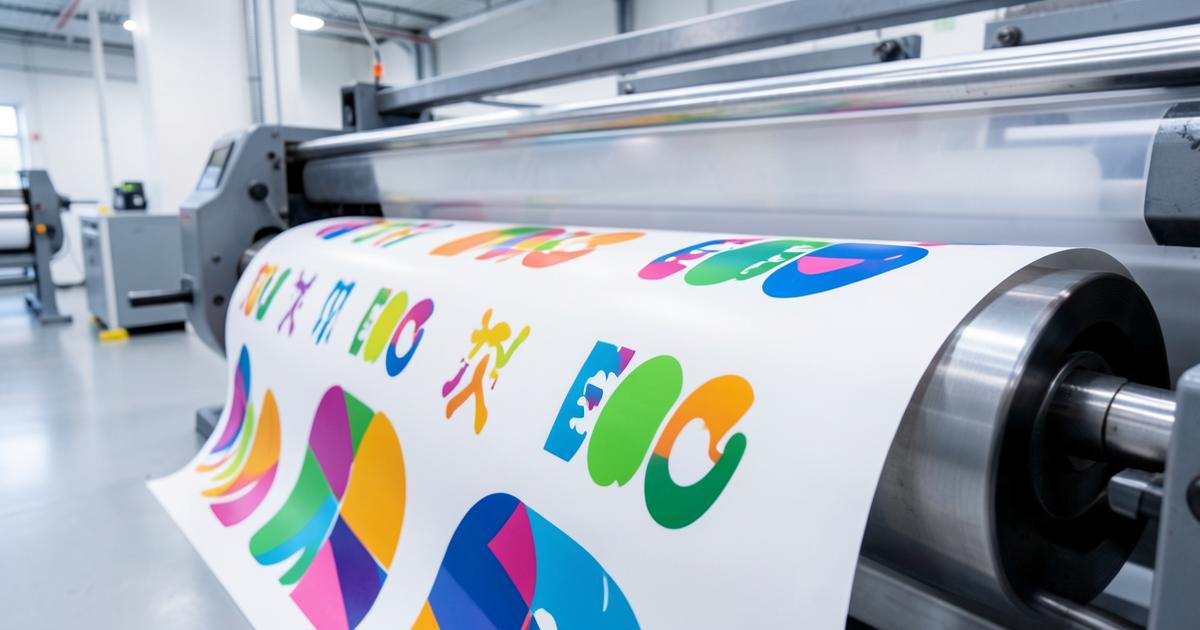
Finding the right digital packaging printing company can determine how quickly your product reaches the shelf and how effectively it captures consumer attention. This guide breaks down the technical and operational factors you must evaluate to ensure your flexible packaging partner can handle high-resolution graphics and tight deadlines.
Finding the right digital packaging printing company can determine how quickly your product reaches the shelf and how effectively it captures consumer attention. This guide breaks down the technical and operational factors you must evaluate to ensure your flexible packaging partner can handle high-resolution graphics and tight deadlines.
Understanding Digital vs. Traditional Printing
For decades, rotogravure and flexographic printing were the only games in town. These methods rely on physical plates or cylinders to transfer ink onto a substrate. While excellent for massive runs of 50,000 units or more, they carry heavy upfront costs—often thousands of dollars in plate fees alone.
Digital packaging printing operates more like a high-end office printer but on an industrial scale. There are no plates. The digital file is sent directly to the press, which applies ink (usually CMYK plus expanded gamut colors like Orange, Green, and Violet) directly to the film. This shift eliminates plate costs and setup time, making it the superior choice for emerging brands and seasonal SKUs.
Evaluating a Digital Packaging Printing Company’s Technology
When vetting a digital packaging printing company, you need to look under the hood. Not all digital presses are equal. The industry standard for high-quality flexible packaging is often the HP Indigo series, which uses liquid electrophotography (LEP) to mimic the look of traditional gravure.
Ink Adhesion and Food Safety
Ask potential partners about their ink systems. If you are in the food or nutraceutical space, ensure their inks are FDA-compliant for indirect food contact. Furthermore, ask about their lamination process. Digital inks must bond perfectly with the laminate layer to prevent delamination—a common failure where the layers of the pouch separate.
Color Matching Precision
One major concern with digital pouch printing is color consistency across different batches. A reputable printer should use spectrophotometers and sophisticated color management software to ensure that your 'Brand Blue' looks the same in June as it did in January. Ask if they offer a G7 certification, which signals a high level of color control.
The Importance of Short-Run Packaging Agility
One of the primary drivers for choosing digital is the ability to execute short-run packaging. In the past, small businesses were forced to buy 20,000 pouches when they only needed 2,000, leading to wasted capital and literal waste if the ingredients or regulations changed.
Digital printing allows for Minimum Order Quantities (MOQs) as low as 500 or 1,000 units per SKU. This agility enables:
- A/B Testing: Launching two different designs in different markets to see which sells better.
- Seasonal Shifts: Creating limited-time holiday packaging without the risk of leftover inventory.
- Variable Data: Printing unique QR codes or serialized numbers on every single pouch for traceability or marketing campaigns.
Materials and Finishing for Digital Pouch Printing
A versatile packaging printer should offer more than just one type of plastic. You need to ensure they can work with the specific barrier requirements of your product.
Barrier Properties
If you are packaging coffee, you need high-barrier metallized films (like VMPET) to keep oxygen out. If you are packaging jerky, you might need a clear window with high moisture barriers. A quality digital packaging printing company will advise on the 'structure'—the combination of outer film, ink, adhesive, and inner sealant layer.
Texture and Aesthetics
Digital printing isn't just about color; it's about feel. Ask about finishing options such as:
- Soft-touch matte: For a premium, velvety feel.
- Spot Gloss: Highlighting specific elements (like your logo) against a matte background.
- Metallic Effects: Using silver substrates and transparent inks to create a metallic sheen without needing foil stamping.
Lead Times and Supply Chain Reliability
In the U.S. market, speed is the ultimate currency. Traditional printing can take 6 to 10 weeks because of plate manufacturing and shipping. A local or domestic digital packaging printing company should be able to deliver finished stand-up pouches or roll stock in 10 to 15 business days after artwork approval.
When interviewing a printer, ask about their 'burst capacity.' What happens if you suddenly need to double your order? Because digital printing is file-based, scaling up is much faster than traditional methods, but the company must have the machine capacity to accommodate your growth.
Cost Structures in Digital Packaging Printing
It is a common misconception that digital is always 'more expensive.' While the price per unit (PPI) might be higher than a million-unit gravure run, the Total Cost of Ownership (TCO) is often lower for mid-to-small runs.
Consider these savings:
- Zero Plate Fees: Save $500–$3,000 per SKU.
- Reduced Obsolescence: Don't pay for 10,000 bags that end up in a landfill because the FDA changed a labeling requirement.
- Lower Storage Costs: You don't need to warehouse mountains of empty packaging.
Conclusion
Selecting the right digital packaging printing company is about balancing technical capability with logistical speed. By focusing on printers that offer low MOQs, high-resolution digital pouch printing, and robust material options, you give your brand the flexibility to compete with industry giants. Look for a partner who views themselves as a consultant rather than just a vendor, helping you navigate the complexities of film structures and color management to ensure your product shines on the shelf.
Conclusion
Choosing a digital packaging printing company involves more than just comparing quotes. It requires an understanding of how their technology, material selection, and lead times align with your business goals. By prioritizing a partner that offers agility and high-definition quality, you ensure that your packaging is a driver of growth rather than a logistical bottleneck.
Keep reading: compare print methods in digital vs. conventional packaging printing, see how short runs support new launches, or review our digital printing capabilities.