
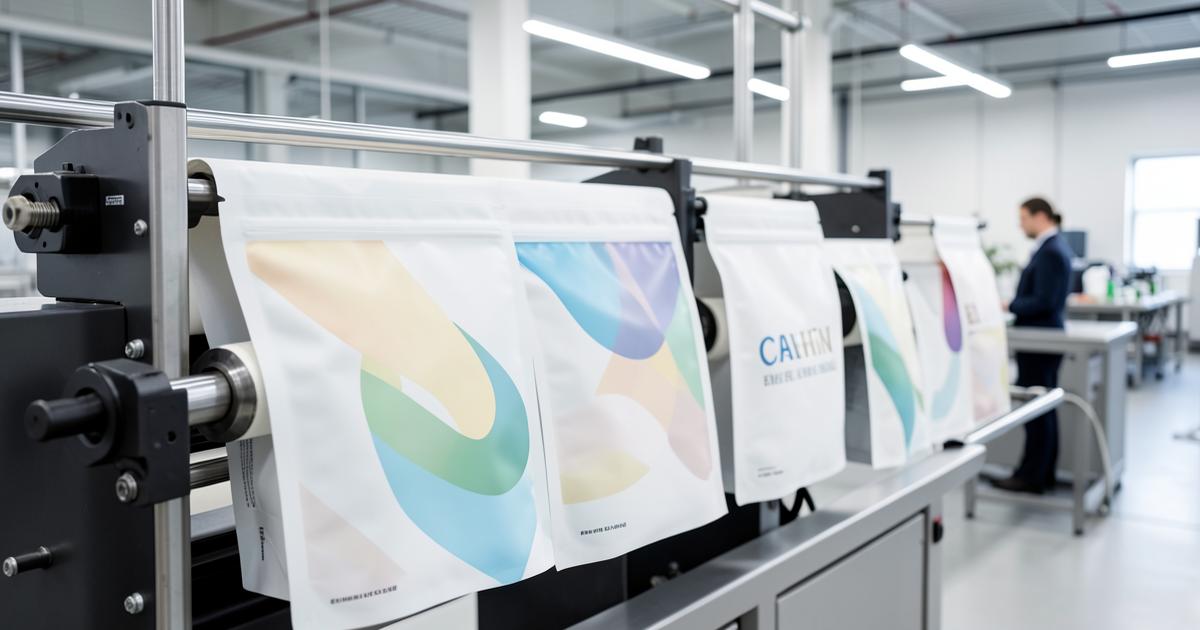
Transitioning from generic packaging to custom branded solutions is a pivotal moment for any growing brand. Navigating the technical landscape of a printed pouches manufacturer requires a firm grasp of material specs, printing methods, and logistical realities to ensure your investment pays off on the retail shelf.
Transitioning from generic packaging to custom branded solutions is a pivotal moment for any growing brand. Navigating the technical landscape of a printed pouches manufacturer requires a firm grasp of material specs, printing methods, and logistical realities to ensure your investment pays off on the retail shelf.
Understanding Printing Technologies: Digital vs. Rotogravure
When you engage with a printed pouches manufacturer, the first crossroads you will encounter is the choice between digital and rotogravure printing. This choice dictates your upfront costs, color accuracy, and flexibility.
Digital Printing for Agility
Digital printing has revolutionized pouch printing by eliminating the need for expensive copper plates. For brands launching seasonal SKUs or those that need to test the market with smaller batches, digital is the gold standard. It allows for high-resolution graphics and vibrant colors without the multi-thousand-dollar investment in setup. If your brand frequently updates its nutritional facts or ingredients, digital printing offers the agility to make those changes without wasting obsolete inventory.
Rotogravure for Scale
For high-volume production—typically 50,000 units or more per SKU—rotogravure remains the most cost-effective method. It involves etching your design onto cylindrical plates. While the initial plate costs are high, the cost per unit drops significantly at scale. Rotogravure also excels in metallic finishes and consistent long-run color matching (Pantone accuracy).
Material Science: Choosing the Right Barrier Properties
Your printed packaging is not just a billboard; it is a protective vessel. Different products require different laminate structures. A professional printed pouches manufacturer should guide you through these selections rather than just offering a one-size-fits-all solution.
- High-Barrier Films: Essential for coffee, dried meats, and products sensitive to oxygen and moisture. These often include an aluminum foil layer or a metalized PET (VMPET) layer.
- Recyclable and Compostable Films: As consumer demand for sustainability grows, PE/PE (polyethylene) structures are becoming popular because they are store-drop-off recyclable.
- Clear Windows: If your product is visually appealing (like colorful granola or dried fruit), incorporating a clear window into your custom printed pouches can drive impulse purchases.
How to Vet a Printed Pouches Manufacturer
Not all manufacturers are created equal. When evaluating a potential partner, look beyond the price per bag. You are looking for a long-term supply chain partner.
Technical Expertise and E-E-A-T
A reputable manufacturer will demonstrate deep knowledge of FDA compliance for food-grade materials. They should provide physical samples from previous runs so you can feel the gauge (thickness) of the film and test the strength of the side seals and zippers.
Quality Control Systems
Ask about their inspection process. Do they use automated optical inspection systems to catch printing defects? How do they test seal integrity? A manufacturer that cannot articulate their quality control (QC) steps is a risk to your brand's reputation.
Lead Times and Minimum Order Quantities (MOQ)
In the current supply chain environment, speed is a competitive advantage. Traditional manufacturers might quote 10 to 14 weeks for imported pouches. However, a domestic printed pouches manufacturer utilizing digital technology can often deliver finished goods in as little as 15 business days.
Low MOQs are equally vital for cash flow management. Instead of tying up $20,000 in inventory that sits in a warehouse, low MOQ options allow you to order exactly what you need for the next quarter. This reduces the risk of spoilage and keeps your capital liquid for marketing and R&D.
Sustainability and Future-Proofing Your Packaging
The regulatory landscape regarding plastic is shifting. Many US states are moving toward extended producer responsibility (EPR) laws. A forward-thinking manufacturer will offer sustainable alternatives, such as post-consumer recycled (PCR) resins or mono-material structures that are easier to recycle than traditional multi-layer foils.
Conclusion
Selecting a printed pouches manufacturer is one of the most significant operational decisions a CPG brand owner makes. By focusing on the right printing technology, demanding high-quality material barriers, and prioritizing partners who offer low MOQs and fast turnarounds, you position your brand for scalability. The right partner does not just print bags; they help you optimize your supply chain and protect your product's integrity from the factory to the consumer's pantry.
Conclusion
The right printed pouches manufacturer acts as an extension of your production team. By balancing aesthetic quality with functional barrier properties and logistical speed, you ensure that your packaging is an asset rather than a bottleneck. Focus on transparency, technical support, and the ability to scale as your brand grows.
Keep reading: review pouch material and barrier choices, see how print quality affects shelf appeal, or view our capabilities.