
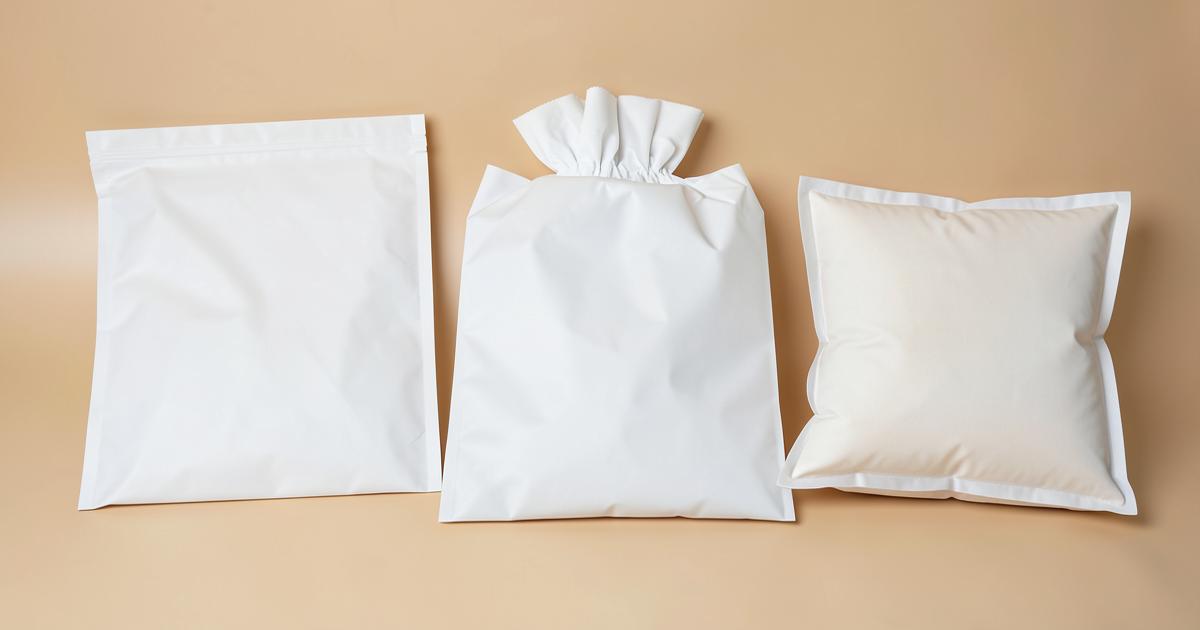
The shift from rigid containers to flexible formats has redefined how products reach the consumer. Custom packaging bags offer a unique intersection of lightweight logistics, superior barrier protection, and high-impact visual branding that helps products stand out on crowded retail shelves.
The transition to flexible formats is more than a trend; it is a strategic response to consumer demand for convenience and sustainability. When you invest in custom packaging bags, you aren't just buying a container; you are building the primary touchpoint for your customer's experience.
Why Custom Packaging Bags Matter for Modern Brands
Standard, unbranded packaging often signals a lack of investment in the product quality itself. In contrast, custom packaging bags communicate professional standards and brand values before a customer even tastes or touches the contents. Beyond aesthetics, these bags are engineered to protect. Whether you are packaging organic coffee, artisanal jerky, or specialized skincare products, the structure of the bag determines the shelf life and safety of the item.
Flexible packaging offers a significant reduction in shipping weight compared to glass or metal. This translates directly to lower carbon footprints and reduced shipping costs. For startups, the ability to launch with professional-grade printed packaging bags allows them to compete directly with national brands that have multi-million dollar marketing budgets.
Choosing Between Digital and Rotogravure Printing
Understanding how your custom bags are printed is critical for budgeting and design.
Digital Printing
Digital printing changes the economics for small to mid-sized businesses. It eliminates the need for expensive printing plates, allowing for significantly lower Minimum Order Quantities (MOQs). At Quantum Flex Pack, digital printing enables brands to order as few as 500 to 1,000 units per SKU. This is ideal for seasonal flavors, limited runs, or brands testing new markets. The turnaround time is often measured in days rather than months.
Rotogravure Printing
For high-volume production (typically over 10,000 to 20,000 units), rotogravure remains the gold standard. It utilizes engraved metal cylinders to transfer ink. While the initial setup cost is higher due to plate fees, the per-unit cost drops significantly at scale. Rotogravure offers unmatched color consistency and the ability to use specialized finishes like metallic inks or spot matte coatings over large areas.
Essential Materials for Flexible Packaging Bags
Not all flexible packaging bags are created equal. The material "stack" or laminate is chosen based on the product’s sensitivity to oxygen, moisture, and light.
- PET (Polyethylene Terephthalate): Often the outer layer, providing a high-gloss or matte finish and excellent printability.
- VMPET (Vacuum Metallized PET): Provides a high barrier against oxygen and light, essential for products like coffee or spices that degrade quickly when exposed.
- PE (Polyethylene): Typically the inner sealant layer. It is what allows the bag to be heat-sealed shut. Variations like LLDPE provide extra strength for heavy or sharp products.
- EVOH (Ethylene Vinyl Alcohol): A high-performance oxygen barrier often used in food packaging to keep products fresh without the need for metallic layers.
Optimizing Your Custom Bags for Retail Success
Design for product packaging must be functional as well as beautiful. Consider the following features during the design phase:
- Re-sealable Zippers: Essential for multi-serve snacks or ingredients. It keeps the product fresh in the consumer's pantry, extending the brand's presence in their home.
- Tear Notches: Small indentations that allow the consumer to open the bag easily without scissors.
- Hang Holes: Round or "sombrero" style holes allow products to be displayed on pegs in retail environments, increasing visibility.
- Clear Windows: If your product looks great, show it off. A clear window allows consumers to verify the quality of the food before they buy.
Managing Lead Times and MOQs
One of the biggest hurdles in the supply chain is the "wait time." Traditionally, ordering custom packaging bags from overseas could take 12-16 weeks. Domestic manufacturing reduces this significantly. By focusing on domestic production and digital workflows, brands can see finished products in as little as 10-15 business days.
Low MOQs are equally vital for cash flow management. Instead of tying up capital in 50,000 bags that might sit in a warehouse for a year, brands can order 2,000 bags, sell through them, and iterate on the design based on customer feedback. This agility is a competitive advantage in the modern retail landscape.
Conclusion
Selecting the right custom packaging bags is a pivotal decision for any product-based business. By balancing material science with innovative printing techniques like digital and rotogravure, you can protect your product while building a lasting brand identity. Whether you need the speed of low-MOQ digital prints or the scale of high-volume production, high-quality product packaging is an investment that pays dividends in consumer trust and shelf velocity.
Conclusion
Investing in custom packaging bags allows your brand to transition from a generic commodity to a premium retail presence. With domestic production and flexible printing options, you can maintain a lean inventory while delivering a professional, high-barrier solution that protects your product and attracts customers. Whether you are launching a new food line or scaling a retail brand, the right flexible packaging partner is key to your long-term success.
Keep reading: compare stand-up pouches and roll stock, review film and barrier options, or browse our packaging solutions.