
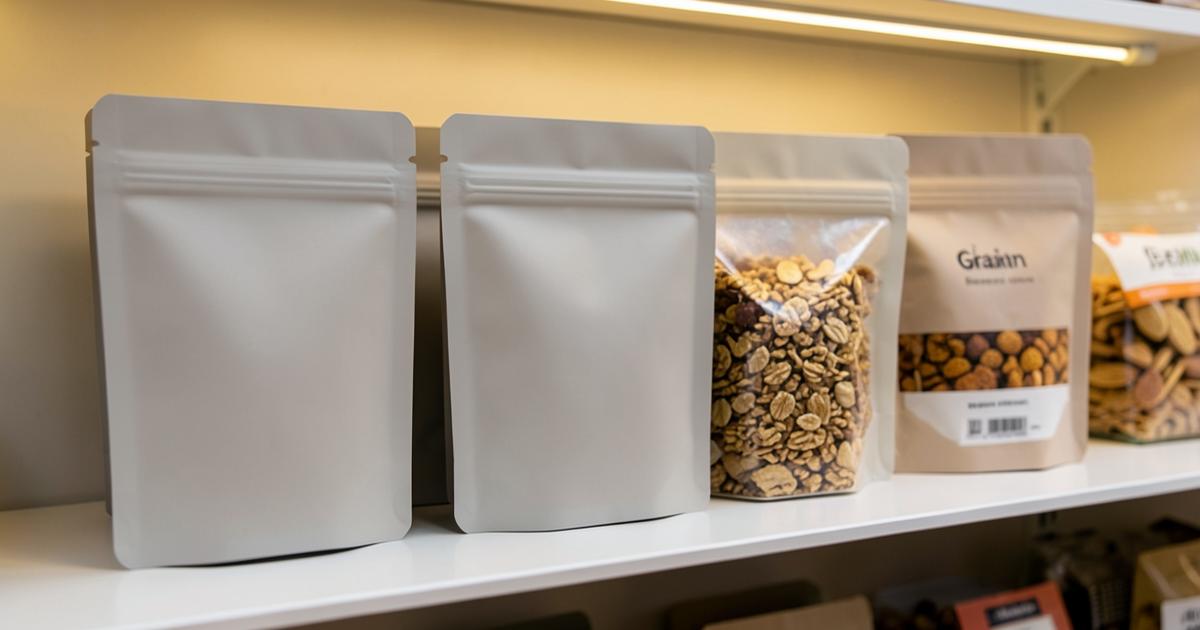
Modern brands need packaging that balances barrier protection with high-impact visual appeal. This guide explores how custom pouch packaging provides a lightweight, durable, and cost-effective solution for food and retail products while significantly reducing logistics costs compared to rigid containers.
Modern brands need packaging that balances barrier protection with high-impact visual appeal. This guide explores how custom pouch packaging provides a lightweight, durable, and cost-effective solution for food and retail products while significantly reducing logistics costs compared to rigid containers.
Why Brands are Switching to Flexible Pouch Packaging
The shift toward flexible pouch packaging is driven by both consumer preference and operational efficiency. Unlike glass or rigid plastic, flexible pouches require significantly less energy to manufacture and transport. A single truckload of empty flexible pouches can hold the same amount of inventory as 25 truckloads of empty glass jars, drastically cutting carbon footprints and warehousing expenses.
For food brands, the airtight seals and high-barrier films extend shelf life by preventing moisture and oxygen ingress. Retail brands benefit from the "billboard effect"—the large printable surface area that allows for vibrant graphics and storytelling. Whether you are selling organic granola or premium pet treats, the ability to customize every inch of the package ensures your brand stands out on a crowded retail shelf.
Anatomy of High-Quality Custom Pouch Packaging
Not all pouches are created equal. High-performance custom pouch packaging relies on a laminated structure of multiple layers, each serving a specific purpose.
Material Layers
- Outer Layer: Usually PET or BOPP, this layer holds the ink and provides heat resistance during the sealing process.
- Barrier Layer: Materials like AL (Aluminum foil), VMPET (Metallized PET), or EVOH are used to block light, oxygen, and odors.
- Sealant Layer: Typically LLDPE (Linear Low-Density Polyethylene), this inner layer melts at a specific temperature to create a hermetic seal.
Physical Attributes
Custom pouches come in various formats, including the popular stand-up pouch (SUP) with a bottom gusset, flat pouches for single-serve items, and side-gusseted bags for coffee. The choice depends on the volume of the product and the desired shelf presentation.
Choosing the Right Pouch Supplier for Your Project
Selecting a pouch supplier is a strategic partnership that dictates your speed-to-market. When evaluating partners, look beyond the price per unit. A reliable supplier should offer transparency regarding their manufacturing processes and quality control certifications, such as SQF (Safe Quality Food) for food-contact items.
Key performance indicators for a supplier include:
- Lead Times: Can they deliver in 10-15 business days, or are you waiting 8-10 weeks for overseas shipments?
- Minimum Order Quantities (MOQs): Small brands often need to test markets with 500 to 2,000 units rather than committing to 50,000.
- Technical Support: Will they help you choose the right film thickness (gauge) for your product weight?
Digital vs. Rotogravure: Finding Your Printing Strategy
The evolution of printed pouch packaging has given brands two primary paths for aesthetics.
Digital Printing
Digital printing is the gold standard for startups and mid-market brands. It requires no printing plates, meaning zero plate charges and the ability to run multiple SKUs simultaneously. If you have five different flavors of a snack, digital printing allows you to print 1,000 of each without the massive setup costs associated with traditional methods. This technology provides photographic quality and crisp text, making it ideal for high-end retail.
Rotogravure Printing
For massive volume runs—typically 50,000 units or more per SKU—rotogravure printing offers the lowest per-unit cost. While the initial investment in copper-plated cylinders is high, the speed and consistency for long-term staples are unmatched. A versatile supplier will offer both, allowing your brand to scale from small digital batches to large-scale production as your distribution grows.
Sustainability and Functional Features in Custom Pouches
Consumer demand for eco-friendly options has led to the rise of recyclable and compostable films. PE-PE (Polyethylene) recyclable structures are becoming the industry standard for brands aiming to meet circular economy goals.
Beyond sustainability, functionality drives repeat purchases. Consider adding:
- Resealable Zippers: Essential for multi-serve snacks and pet food to maintain freshness.
- Tear Notches: For easy, tool-free opening.
- Hang Holes: Round or Euro-style holes for peg-board retail displays.
- Valves: One-way degas valves for freshly roasted coffee beans.
The Strategic Value of Custom Pouch Packaging
Ultimately, custom pouch packaging is an investment in your brand’s perceived value. By utilizing professional-grade materials and high-fidelity printing, you communicate quality to the consumer before they even taste or use your product.
In a market where shelf space is competitive, the flexibility to update designs quickly, the protection offered by advanced barriers, and the convenience of resealable features make custom pouches the superior choice for modern consumer packaged goods (CPG).
Conclusion
Transitioning to custom pouch packaging allows your brand to compete with industry giants by offering professional, high-barrier protection and eye-catching designs. By choosing a partner that offers low MOQs and digital printing, you gain the agility needed to test new products and respond to market trends without the burden of excess inventory. Whether you need stand-up pouches or high-speed roll stock, the right packaging strategy is a cornerstone of retail success.
Keep reading: see how printed pouches influence shelf performance, review barrier film choices, or explore the industries we package for.