
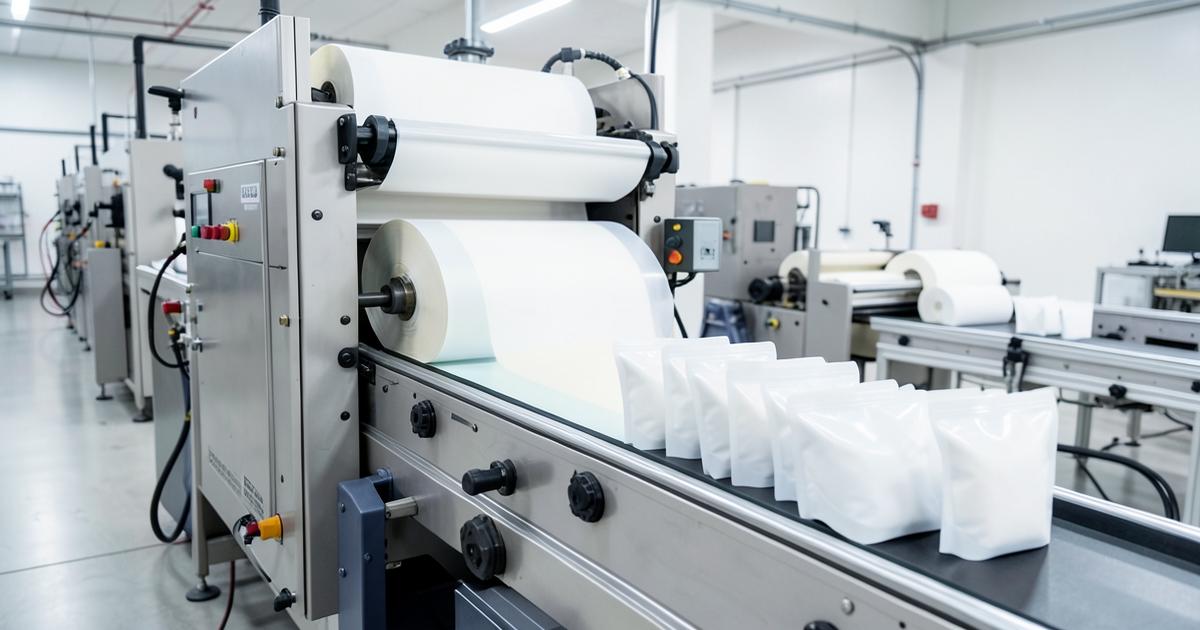
The packaging you choose is the first physical touchpoint a customer has with your brand, making the selection of a custom pouch manufacturer one of your most critical business decisions. This guide explores the technical and operational criteria necessary to find a partner that can deliver high-quality printed pouches while supporting your company's growth and supply chain needs.
Selecting a custom pouch manufacturer is about more than just finding the lowest price per unit; it is about securing a partner that understands the technical nuances of flexible packaging and can execute your brand vision with precision.
Technical Proficiency and Printing Capabilities
The foundation of a great pouch lies in how it is printed. When vetting a custom pouch manufacturer, you need to understand their core printing technologies. Historically, rotogravure was the only viable option for high-volume orders. While it offers exceptional quality, it requires expensive cylinders and high Minimum Order Quantities (MOQs).
Digital vs. Rotogravure Printing
Modern manufacturers often utilize digital printing, which has revolutionized the industry for small to mid-sized businesses. Digital printing eliminates plate costs and allows for high-definition graphics with vibrant colors. This technology is ideal for brands that need to test new products or run seasonal promotions without committing to 50,000 units.
Color Management and Consistency
Your custom pouches must look identical across every production run. Inquire about a manufacturer's color-matching processes. Do they use the Pantone Matching System (PMS)? How do they ensure that the blue on your snack bag matches the blue on your website? A reliable partner will have strict quality control measures to prevent color drift between batches.
Material Science: Why Quality Films Matter
A pouch is only as good as the barrier it provides. The primary role of a pouch supplier is to ensure your product remains fresh, potent, and safe. This requires a deep understanding of multi-layer laminations.
Barrier Properties
Different products require different barriers. Coffee needs a one-way degassing valve and a high oxygen barrier (often aluminum foil or metalized PET) to keep oils from oxidizing. Conversely, jerky or dry snacks might need a high moisture barrier to maintain texture. Your manufacturer should be able to recommend specific film structures, such as PET/VMPET/PE or Kraft paper laminates, based on your product’s chemistry.
Specialty Features
Customization goes beyond the print. High-quality custom pouches often include functional features like:
- Press-to-close zippers: Essential for multi-serve products.
- Tear notches: For easy opening without scissors.
- Hang holes: Standard round or 'euro' holes for retail peg displays.
- Clear windows: To let the consumer see the quality of the product inside.
Scaling with Your Custom Pouch Manufacturer
One of the biggest mistakes a brand can make is outgrowing their supplier too quickly—or being stuck with a supplier that only caters to enterprise-level volumes.
The Importance of Low MOQs
For startups, cash flow is king. Investing $20,000 in a single SKU's packaging is a risk. Look for a manufacturer that offers low MOQs (e.g., 500 to 5,000 units). This allows you to pivot quickly if your branding changes or if you need to iterate on your recipe.
Capacity for Growth
While you might start small, you need a custom pouch manufacturer that can handle your success. Ask about their maximum capacity. If you land a national retail account and suddenly need 500,000 units of roll stock for an automated filling line, can they fulfill that order within a reasonable timeframe?
Sustainability and Regulatory Compliance
Consumers are increasingly demanding eco-friendly options. A forward-thinking pouch supplier will offer sustainable alternatives to traditional plastics.
Recyclable and Compostable Films
Ask your manufacturer about PE-PE (polyethylene) recyclable pouches, which can be recycled at store drop-off locations. If your brand mission centers on zero waste, explore compostable films made from plant-based materials. Be aware that these materials often have different barrier properties and shorter shelf lives, so expert guidance is required.
Food Safety and Certifications
If you are in the food, beverage, or nutraceutical space, compliance is non-negotiable. Ensure your manufacturer operates in a facility that follows Good Manufacturing Practices (GMP) and uses FDA-approved, food-grade inks and films.
Evaluating the Supply Chain and Lead Times
In consumer packaged goods, a delay in packaging is a delay in revenue. Traditional lead times for printed pouches used to be 10-14 weeks, especially if sourcing from overseas.
Domestic vs. International Sourcing
While overseas manufacturers may offer lower unit costs, the hidden costs—shipping, tariffs, long lead times, and communication barriers—can be significant. A domestic custom pouch manufacturer can often provide "fast turnaround" times of 15 business days or less. This speed allows you to respond to market trends in real-time and keep your inventory lean.
The Role of Customer Support in Packaging
Packaging is technical. Most brand owners are experts in their product, not in film gauges or slip coefficients. You need a partner who acts as an educator.
Responsive Communication
Does the manufacturer respond to quotes within 24 hours? Do they have a dedicated account manager who understands your history? Poor communication during the quoting phase is usually a red flag for how they will handle a production error later on.
Design Assistance
Many brands struggle with setting up artwork for 3D objects like stand-up pouches. A top-tier manufacturer will provide die-lines and technical templates, and may even offer pre-press services to ensure your art doesn't get caught in the fold or gusset.
Conclusion
Finding the right custom pouch manufacturer is a balancing act between quality, speed, and cost. By focusing on a partner that offers the flexibility of digital printing, the technical expertise of material science, and the agility of domestic production, you position your brand for long-term success. Your printed pouches are a silent salesman on the shelf; ensure they are manufactured by a team that cares as much about your brand's presentation as you do.
Conclusion
The journey from a product concept to a retail-ready item depends heavily on your custom pouch manufacturer. By prioritizing a partner that offers fast turnarounds, low MOQs, and expert material guidance, you can ensure your printed pouches provide the protection and aesthetic appeal your brand deserves. Choosing a local, responsive manufacturer allows you to remain agile in a competitive market.
Keep reading: review pouch materials and print options, understand what drives packaging pricing, or browse our flexible packaging solutions.