
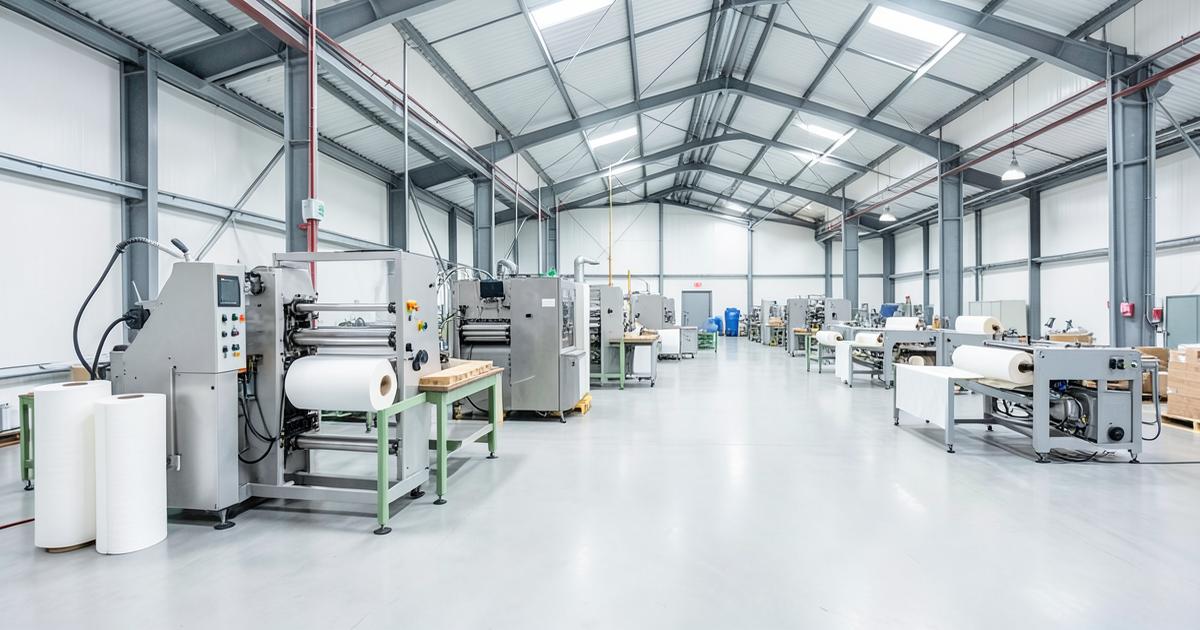
For Chicago-based food, beverage, and cannabis brands, the supply chain starts with the container. Partnering with a local flexible packaging manufacturer in Chicago offers more than just reduced shipping costs; it provides the agility needed to compete in a crowded retail landscape. This guide explores how to vet a regional partner to ensure your brand benefits from high-performance materials and modern printing technology.
For Chicago-based food, beverage, and cannabis brands, the supply chain starts with the container. Partnering with a local flexible packaging manufacturer in Chicago offers more than just reduced shipping costs; it provides the agility needed to compete in a crowded retail landscape. This guide explores how to vet a regional partner to ensure your brand benefits from high-performance materials and modern printing technology.
Why Proximity Matters for Your Supply Chain
Logistics and freight costs are often the hidden profit-killers in manufacturing. When you work with a flexible packaging manufacturer in Chicago, you are tapping into one of the nation’s most robust logistics hubs. Chicago serves as the central artery for rail and trucking, meaning raw materials arrive faster and finished goods reach your distribution center with minimal lead time.
Beyond freight, local proximity allows for better quality control. Many brands find that being able to visit a facility for a press check or to review material samples in person prevents the costly back-and-forth errors common with overseas suppliers. In an era where consumer demand fluctuates weekly, having a partner within driving distance of your headquarters is a distinct competitive advantage.
Evaluating a Flexible Packaging Manufacturer in Chicago
Not all facilities are equipped to handle the diverse needs of modern CPG (Consumer Packaged Goods) brands. When vetting a packaging manufacturer Chicago, you should look specifically for their ability to scale. A manufacturer that only handles massive, multi-million unit runs will not be helpful for a startup, while a small boutique shop might lack the high-speed rotogravure equipment needed for national expansion.
Key evaluation metrics include:
- Total Lead Times: Ask for real-world timelines from artwork approval to shipping. Top-tier regional providers should offer turnarounds in the 3-5 week range for standard pouches.
- Technical Support: Do they provide engineering specs for your co-packer? If your automated filling lines require specific roll stock tensions or eye-mark placements, the manufacturer must be able to communicate these technicalities clearly.
- Sustainability Options: With Illinois and the broader Midwest shifting toward greener regulations, check if the manufacturer offers recyclable or compostable films.
Digital vs. Rotogravure: Choosing the Right Printing Method
Modern custom flexible packaging is largely defined by the printing technology used. Chicago businesses often have to choose between digital and rotogravure printing based on their volume and aesthetic requirements.
Digital Printing Benefits
Digital printing functions much like a high-end office printer but on an industrial scale. It requires no printing plates, which significantly lowers the barrier to entry. This is ideal for:
- Seasonal SKUs: Testing a limited-edition flavor without committing to 50,000 units.
- Variable Data: Printing unique QR codes or serial numbers on every individual bag.
- Speed: Since no plates need to be etched, production can start almost immediately after file approval.
Rotogravure Printing Benefits
For brands moving 100,000+ units per SKU, rotogravure remains the gold standard. It uses copper-plated cylinders to transfer ink, resulting in the highest possible image clarity and metallic finishes. While the initial setup cost is higher due to plate charges, the per-unit cost drops significantly at high volumes.
The Rise of Custom Flexible Packaging in the Midwest
The Midwest is seeing a massive surge in demand for custom flexible packaging. Consumer preferences have shifted away from rigid glass and metal toward lightweight, resealable formats. This shift is driven by the 'on-the-go' lifestyle of urban Chicagoans who value convenience and portability.
Flexible formats use up to 60% less plastic than rigid HDPE bottles and occupy significantly less space in landfills. For Chicago brands, highlighting this reduced carbon footprint on the packaging itself—made possible by high-fidelity printing—can be a powerful marketing tool for eco-conscious consumers in markets like the West Loop or North Shore.
Material Science: Stand-Up Pouches and Roll Stock
Understanding the anatomy of your packaging is vital. Most flexible packaging consists of multiple layers laminated together to create a barrier against oxygen, moisture, and light.
- Stand-Up Pouches (SUP): These are the most popular format in the industry. They feature a bottom gusset that allows them to stand vertically on retail shelves. Options include press-to-close zippers, tear notches, and hang holes. A quality flexible packaging manufacturer in Chicago will offer various laminate structures, such as PET/FOIL/PE for maximum barrier or MOPP/VMPET/PE for a premium matte finish.
- Roll Stock: This is unformed film wound onto a core, designed to be used on Form-Fill-Seal (FFS) machinery. If your business uses automated filling, you need roll stock that is engineered with the correct 'slip' (Coefficient of Friction) to ensure it runs smoothly through your machines without snagging or static buildup.
Optimizing Costs with Low MOQs and Fast Turnarounds
Cash flow is the lifeblood of any growing business. Traditionally, packaging required massive Minimum Order Quantities (MOQs) that forced brands to tie up thousands of dollars in inventory. By utilizing a flexible packaging manufacturer in Chicago that specializes in low MOQs, you can preserve capital.
Low MOQs allow for 'Just-In-Time' inventory management. Instead of warehousing 100,000 bags that might become obsolete if your ingredients or regulations change, you can order 5,000 or 10,000 units at a time. This agility is especially critical in the cannabis and nutraceutical industries, where FDA or state-level labeling requirements can change overnight.
Conclusion
Finding the right flexible packaging manufacturer in Chicago is a foundational step in your product's journey to the shelf. By prioritizing regional proximity, versatile printing options like digital for low MOQs, and high-performance materials like custom stand-up pouches, you position your brand for sustainable growth. Whether you are a craft food producer in the Stockyards or a high-tech wellness brand in the suburbs, the right packaging partner transforms your supply chain from a logistical hurdle into a powerful competitive edge.
Conclusion
Finding the right flexible packaging manufacturer in Chicago is a foundational step in your product's journey to the shelf. By prioritizing regional proximity, versatile printing options like digital for low MOQs, and high-performance materials like custom stand-up pouches, you position your brand for sustainable growth. Whether you are a craft food producer in the Stockyards or a high-tech wellness brand in the suburbs, the right packaging partner transforms your supply chain from a logistical hurdle into a powerful competitive edge.
Keep reading: see what to look for in a packaging partner, review rollstock for automated filling lines, or view our capabilities.