
Searching for a packaging manufacturer near me is usually a reaction to a bad experience: a shipment stuck in transit, a supplier several time zones away, a quality issue nobody would own. Proximity does solve some of that. It does not solve capability, and the two get conflated often.
Here is where local sourcing genuinely helps, and what still has to be verified regardless of distance.
Where proximity actually pays off
Freight. Flexible packaging is light and bulky. Pouches ship air, and pallets of them cross the country at a cost that quietly erodes a low unit price. A shorter lane is straightforwardly cheaper and less exposed to transit damage.
Time in transit. Domestic production removes ocean freight, customs and port congestion from your timeline. When production takes two weeks and shipping takes six, the shipping is your real lead time.
Problem-solving. When a seal fails on your filling line, the useful response is someone who can look at retained samples, pull the production record and, if needed, visit. That is difficult across an ocean and easy across a state.
Auditability. Retail and food-safety programs increasingly ask where a package was produced and under what practices. Being able to walk a customer or auditor through the plant is a practical advantage.
What proximity does not fix
A nearby supplier with the wrong presses, the wrong minimums or no structure engineering is still the wrong supplier. Distance is one variable among several, and it should not outrank capability.
Judge every candidate — local or not — on the same criteria.
Capability checklist
Formats. Can they produce the format you need? Stand-up pouches and pre-made bags suit hand filling and co-packers; roll stock suits form-fill-seal lines and has to be matched to your machine's web width, registration and seal window.
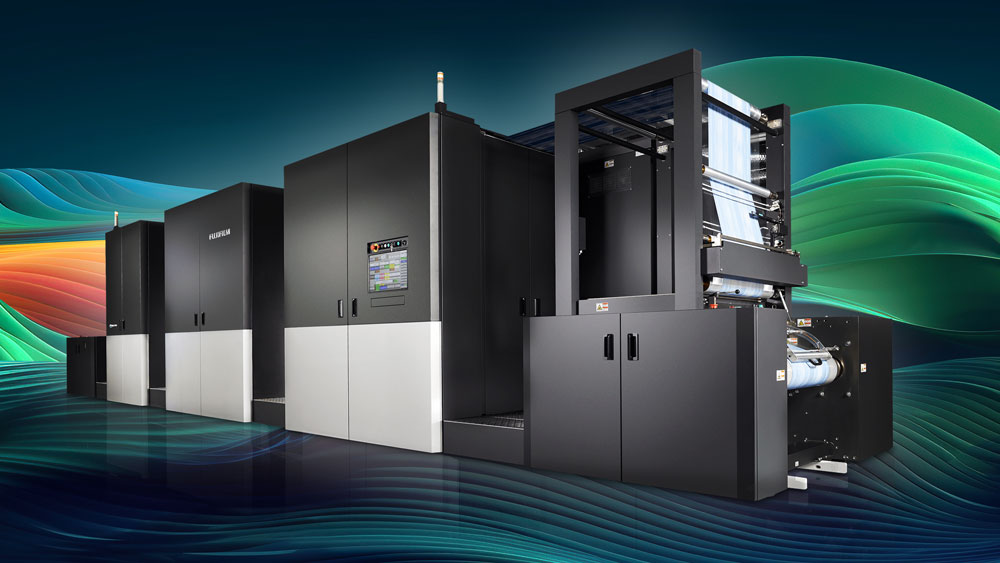
Printing. Digital printing removes plate and cylinder tooling, which matters if you run several SKUs or revise artwork often. Rotogravure makes sense for a single stable design at very high volume. Ask what they run and where the crossover sits for your quantities.
Structure engineering. Bring your product, fill method and target shelf life, and see whether they recommend a specific laminate and explain why. Coffee, frozen entrées, pet treats and supplements do not share a structure.
Minimums. Ask for MOQ per SKU and the reorder minimum. A low minimum keeps cash out of inventory while a product is still finding its footing — the basis of our buy-to-demand approach.
Lead time. Ask for the clock to start at artwork approval, and ask what prepress typically adds.
Color control. Ask how brand color is specified and maintained between runs, and whether a physical proof is issued before the press runs.
Warning signs
A quote arriving with no questions about your product, fill method or shelf life. Unit price quoted without separating tooling and freight. Vague answers about where production physically happens. Reluctance to provide a physical proof. Minimums presented as non-negotiable without explanation of the underlying setup cost. A lead time quoted from PO date rather than artwork approval.
None of these are fatal on their own. Two or three together usually predict how the relationship will run.
The Midwest advantage for regional brands
For brands in Chicago, Illinois and the surrounding Midwest, a regional supplier shortens the freight lane to most of the country's population and puts you in the same working day as your account contact. That matters most when you are reordering frequently in modest quantities rather than buying a container twice a year — which is exactly the pattern for brands scaling a growing SKU list.
How to run the search
Shortlist two or three suppliers. Send each the same brief: product, fill weight, fill method, target shelf life, format, dimensions, features and quantity per SKU. Compare the recommendation, not just the number.
If your search brought you here, send us those details through our contact form and we will respond with a structure recommendation, pricing and a realistic lead time.